Which Sports Media Career Path is Right for you? A Guide on Where and How to Start
A modern guide to finding your place and building a career that actually fits who you are

There’s a moment almost everyone experiences when they first look at the sports media industry from the outside.
It feels huge. Fast-moving. Slightly chaotic.
One minute you see journalists breaking news, the next you’re watching a YouTube creator build an audience of millions, and somewhere in between a podcast host is interviewing athletes while a club media team produces documentary-level content behind the scenes, and PR teams rush around delivering major events.
So the question becomes inevitable:
Where do I even start?
The truth is, there isn’t one path anymore, and that’s not a problem. It’s the biggest opportunity modern sports media has ever offered.
Because in 2026, the industry isn’t defined by job titles. It’s defined by roles, skillsets, and storytelling styles. And finding the right path is all about understanding what suits you.
Journalism: The traditional foundation still evolving
For many, journalism remains the natural entry point into sports media because it still teaches the most valuable skill in the industry: how to tell a story that matters.
Modern sports journalism looks very different from the newsroom stereotypes of the past. Today’s journalists might write long-form features, break stories on social media, produce newsletters, or appear on video and podcasts as analysts.
What hasn’t changed is the mindset required. If you’re curious, observant, and driven by the desire to explain sport rather than simply react to it, journalism offers one of the strongest foundations you can build.
But the route into it has shifted. Portfolios now matter more than degrees. Niche expertise carries more weight than general coverage. And many journalists begin by building independent platforms before ever stepping into a newsroom.
Who should pursue it
- Curious storytellers
- Strong writers
- People who love research, interviews, and uncovering angles others miss
If you naturally think in narratives, ask deeper questions, and enjoy explaining sport rather than just reacting to it, journalism remains one of the most powerful entry points.
What the job involves
Modern journalism goes far beyond match reports:
- Long-form features
- Tactical analysis
- Newsletter writing
- Investigative storytelling
- Data-led reporting
- Live coverage and interviews
Storytelling sits at the core of every sports media job. Journalism simply puts that skill front and centre
Types of sports journalism today
- Digital newsroom reporting
- Newsletter and independent journalism
- Club media journalism
- Tactical/data analysis journalism
- Audio and documentary journalism
- Social-first reporting
Steps to get there in 2026
- Cover local sport consistently. Even grassroots stories build credibility.
- Launch a niche newsletter or portfolio.
- Pitch 1–2 stories per month.Build interview experience early.
- Develop multi-format skills (short video, audio, social storytelling).
Podcasting: The rise of the conversational storyteller
Podcasting has moved far beyond hobby status. It has become one of the most influential formats in modern sports media, reshaping how audiences connect with personalities and ideas.
The best sports podcasters aren’t just hosts, they are storytellers who understand rhythm, conversation, and audience trust. They ask better questions. They create space for nuance. They turn interviews into narratives.
For newcomers, podcasting offers an unusual advantage: accessibility. With relatively simple equipment, you can begin building experience immediately.
But success rarely comes from chasing big-name guests. It comes from clarity of niche and consistency of voice; two things that align closely with building a sustainable media identity rather than chasing quick wins.
Who it suits
-
Great conversationalists
-
Curious listeners
-
People who think clearly out loud
Podcasting is no longer a side hobby; it’s now a core part of media ecosystems.
What the job involves
-
Hosting interviews
-
Researching guests
-
Audio editing
-
Structuring narratives
-
Building a loyal niche audience
Interviewing is a universal skill across sports media. Podcasts simply make it your primary format.
Steps to start
-
Launch a 6-episode limited series with a clear niche.
-
Prioritise audio quality over flashy branding.
-
Focus on consistency, not virality.
-
Repurpose each episode into clips, posts, and articles.

Production & Broadcast: The architects behind the scenes
If journalism tells the story and podcasting gives it voice, production shapes how audiences experience it.
Production roles have evolved rapidly as live sport merges with digital storytelling. Today’s producers don’t just manage cameras and scripts, they think about pacing, audience attention, and how content lives across multiple platforms.
Many of the most successful professionals in this space didn’t begin with large broadcast opportunities. They started by producing local events, assisting on small shoots, or creating short-form video content that demonstrated storytelling instincts.
It’s a path that rewards collaboration, patience, and attention to detail. And that often leads to long-term stability within the industry.
Who it suits
-
Detail-oriented planners
-
Visual thinkers
-
Team collaborators
What the role involves
-
Show scripting
-
Camera planning
-
Live production workflows
-
Editing and storytelling through visuals
-
Talent coordination
Production roles are increasingly hybrid. You might produce TV segments one week and social content the next.
Steps to get started
-
Volunteer with local broadcasts or digital outlets.
-
Build a short showreel.
-
Assist on small productions to learn workflows.
-
Study pacing, framing, and storytelling through video.

Content Creation: The independent era of sports media
There was a time when “content creator” felt separate from sports media. That distinction has largely disappeared.
Today, independent creators sit alongside journalists, broadcasters, and analysts as key voices in the ecosystem. They build audiences around tactical insight, storytelling, humour, personality, or behind-the-scenes access, often blending formats in ways traditional media once avoided.
For some, this path offers creative freedom. For others, it becomes a portfolio that opens doors into established organisations.
The key difference between successful creators and everyone else is focus. They don’t try to cover everything. They choose a niche, build authority within it, and allow that expertise to expand naturally over time.
Who it suits
-
Independent thinkers
-
Creators who enjoy building audiences
-
Storytellers who want autonomy
Content creators are now part of the mainstream sports media landscape, not just influencers.
What it involves
-
Short-form video storytelling
-
Platform strategy
-
Personal branding
-
Editing and scripting
Build a content ecosystem: distribution platforms, a home base, and deep-dive formats all working together.
Steps in 2026
-
Choose a niche angle (go deeper than “football” or “NBA”, at least to start)
-
Publish consistently on 1–2 platforms.
-
Create “hero” content pieces to anchor your portfolio.

PR & Communications: The storytellers behind the curtain
Not every sports media professional wants to be the public voice of a story.
PR and communications roles operate behind the scenes, shaping how narratives are framed, delivered, and understood. From preparing athletes for interviews to managing messaging during major events, communications professionals influence how stories unfold long before they reach the public.
They communicate and coordinate with media on stories and interview access to deliver coverage, work with social media influencers to amplify the exposure of an event or brand, and deliver the logistics of an event or sports company’s reputation.
It’s a path suited to strategic thinkers; people who enjoy structure, planning, and understanding the bigger picture.
And in an industry where messaging matters more than ever, the demand for skilled communicators continues to grow.
Who it suits
-
Strategic thinkers
-
Strong writers, organisers, and communicators
-
People who enjoy shaping narratives behind the scenes
What the role involves
-
Press releases and messaging docs
-
Media training
-
Interview preparation
-
Media relations
-
Crisis communication
PR professionals help control and guide the stories others tell; a skill increasingly valuable in modern sport.
Steps to enter
-
Write sample press releases.
-
Help local clubs with messaging.
-
Build a portfolio of comms materials.
-
Learn stakeholder management early.

Social Media Strategy: Where audience meets storytelling
Social media has transformed from a distribution channel into a storytelling platform in its own right.
Today’s social media professionals are part editor, part analyst, part creative director. They understand not just what to post, but why it resonates and how it fits into a broader narrative strategy.
Many careers begin here because the barrier to entry is lower than traditional media. Managing social accounts for a local club or event can quickly evolve into a portfolio that demonstrates real-world impact. Equally, running your own ‘fan-led’ social account on a specific niche can evolve into becoming a full-time content creator or lead to longer-term opportunities with established platforms.
For those who thrive on pace, trends, and audience engagement, it remains one of the most dynamic roles in the industry.
Who it suits
-
Fast thinkers
-
Platform-savvy creatives
-
People who understand online culture
What the job involves
-
Short-form video
-
Live posting
-
Analytics and growth strategy
-
Campaign concepts
-
Fan engagement
Platform literacy is now a core skill. Understanding how different audiences consume content is essential.
Steps to begin
-
Manage social for a local club or event.
- Create your own social media account dedicated to one niche (choose the platform best for your niche)
-
Build case studies showing growth or engagement.
-
Create a “best posts” portfolio deck.

Analysis & Data Storytelling: Turning numbers into narrative
As sport becomes more data-driven, analysis has emerged as one of the fastest-growing career paths.
But analysis isn’t just about statistics. The best analysts translate complexity into clarity. They help audiences see patterns they might otherwise miss, and turn performance insights into compelling stories.
For individuals who enjoy problem-solving and deep thinking, this path offers a unique blend of technical and creative work.
Who it suits
-
Analytical minds
-
People who enjoy patterns, numbers, and performance insights
What the role involves
-
Tactical breakdowns
-
Data visualisation
-
Performance storytelling
-
Explaining complex ideas simply
Data storytelling is no longer niche. Analysts are now core voices in media.
Steps to get started
-
Publish monthly data-led articles or threads.
-
Learn visualisation tools.
-
Focus on clarity; analysis should be accessible.

Club & Athlete Media: The inside access pathway
One of the biggest shifts in recent years has been the rise of club and athlete-owned media.
Teams now operate like miniature production companies, creating documentaries, interviews, and social-first storytelling that sits alongside traditional coverage. Similarly, many athletes – both current and retired – are running their own media productions. Think Bryson DeChambeau’s wildly popular golf channel or Andy Roddick’s hugely successful ‘Served’ podcast.
These are two high-profile examples, of course, but for newcomers, this can actually be one of the most accessible entry points into the industry when focused on local sport or up-and-coming athletes.
Instead of pitching stories from the outside, you become part of the narrative-building process itself.
Who it suits
-
Creators who want access and proximity to teams
-
Storytellers who enjoy human narratives
What it involves
-
Behind-the-scenes content
-
Player storytelling
-
Matchday media
-
Fan engagement
Many modern careers begin inside clubs rather than traditional newsrooms; a major shift in the sports media world.
Steps to start
-
Film local matchdays.
-
Produce mini-features on athletes.
-
Build storytelling portfolios rather than highlight reels.

Media & Press Officers: Where storytelling meets strategy
Not everyone in sports media tells stories from the outside. Some shape them from within.
Media and press officers sit at the centre of modern sport, managing interviews, preparing athletes for media moments, and guiding how organisations communicate with the world. The role blends journalism instincts with strategic thinking, requiring strong writing skills, organisation, and an understanding of how narratives travel across platforms.
In today’s landscape, press officers aren’t just gatekeepers, they are collaborators in the storytelling process. They help translate sporting moments into media opportunities while protecting athletes and brands from the pressures of a 24/7 news cycle.
Many enter the role through journalism, PR, or club media internships, learning the rhythm of press conferences, mixed zones, and event communications along the way. For those who enjoy being close to the action while shaping the message behind it, media relations offers a career path that continues to grow alongside the evolution of sport itself.
Who it suits
- Communicators who enjoy working behind the scenes
- Professionals who thrive in fast-moving environments
- Story-focused strategists who understand both media and sport
What it involves
- Managing media requests and interview logistics
- Drafting press releases and key messaging
- Supporting athletes and executives in media moments
- Shaping narratives across press, digital, and broadcast
Media and press officers sit at the intersection of journalism, PR, and organisational strategy — a role that has expanded rapidly as sports organisations build their own media ecosystems.
Steps to start
- Volunteer at local events or clubs in media operations
- Practice writing match reports, quotes, and press materials
- Learn mixed-zone etiquette and media workflow through real-world exposure

The Key Question: Which role fits you?
Modern sports media careers are rarely linear. Someone might begin in journalism, experiment with podcasting, transition into production, and eventually move into communications or content strategy. They might build a following as a content creator, introduce a podcast to their platform, and one day move into broadcast.
What matters is not choosing the “perfect” path immediately, but understanding the direction that aligns with your strengths.
Do you enjoy asking questions or shaping narratives behind the scenes?
Do you prefer building your own platform or contributing to a larger organisation?
Are you drawn to storytelling, analysis, production, or a blend of all three?
Your answers will reveal far more than any job title ever could.
The opportunity hidden inside complexity
The sports media industry may look more complicated than ever — but that complexity is what makes it exciting.
There are more pathways, more platforms, and more ways to build a career than at any point in the past.
And while technology continues to reshape the landscape, one truth remains constant: the industry still needs people who understand sport deeply and know how to tell meaningful stories about it.
The real challenge isn’t finding a place in sports media.
It’s recognising that there are more places than you ever imagined.
Ready to take the next step?
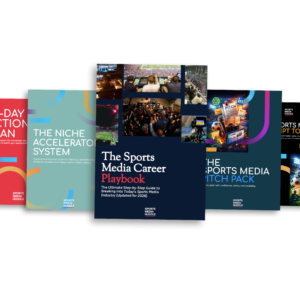
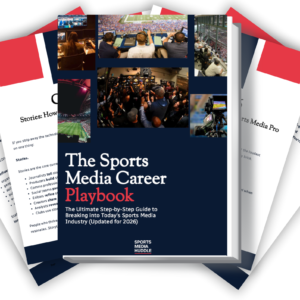
If you’re looking to turn these insights into a clear direction for your own career, The Sports Media Career Playbook breaks down the modern industry, the skills that matter most, and how to position yourself within today’s evolving media landscape.
Whether you’re just starting out or looking to refine your path, it’s designed to help you move forward with purpose and clarity.