The Rise of the Multi-Platform Sports Media Professional – and what this means in 2026
Being multi-skilled in sports media is no longer an added bonus, it’s a necessity to thrive in this dynamic industry and opens up more opportunities as your career progresses

For decades, sports media careers were defined by clear roles. Journalists wrote. Broadcasters presented. PR teams managed messaging behind the scenes. Content creation existed, but it lived on the edges of the industry rather than at its core.
That structure no longer reflects reality.
Across global sports media, the biggest shift is not just technological, it is structural. The modern industry is being shaped by professionals who can move fluidly across platforms, formats, and storytelling styles.
The rise of streaming, social media distribution, AI-assisted workflows, and direct-to-fan content ecosystems has created a landscape where versatility is expected, not simply a value add-on.
Industry reports show that digital and streaming platforms now drive a significant share of sports media consumption, with rights deals, social content strategies, and creator partnerships increasingly shaping how fans engage with sport.
Traditional roles are not disappearing, but they are evolving rapidly as organisations look for professionals who can create, adapt, and distribute stories across multiple channels rather than specialise in just one medium.
From specialist roles to hybrid careers
One of the biggest misconceptions among newcomers is that they must choose a single path; journalist, social media producer, PR specialist, or video creator. In reality, the most in-demand professionals today sit somewhere between these categories.
Newsrooms increasingly expect reporters to shoot short video clips alongside written coverage. Communications teams look for staff who understand analytics and audience engagement, not just messaging. Broadcasters are hiring producers who can think like digital creators, while independent creators are building audiences large enough to influence editorial agendas.
This shift reflects wider media trends. The creator economy has blurred the line between journalist and content creator, while sports organisations themselves now act as media companies, producing documentaries, behind-the-scenes content, and narrative-driven storytelling that rivals traditional outlets.
For those entering the industry, this is an opportunity. The pathway into sports media has expanded, allowing professionals to build skills and audiences without waiting for traditional gatekeepers.

Why platforms matter more than ever
Storytelling in sports media no longer lives in one place. A single narrative might begin as a written feature, evolve into a short-form video, and continue as a podcast discussion or newsletter analysis.
This platform-first mindset is shaping hiring trends. Employers increasingly look for professionals who understand how audiences behave differently across platforms.
A deep investigative feature may resonate on a website or newsletter, while behind-the-scenes access drives engagement on social media. Meanwhile, long-form interviews and analysis continue to thrive in podcast and documentary formats.
The result is an industry where storytelling skills remain central, but distribution strategy has become just as important as writing or reporting ability. Those who understand how to adapt one idea across multiple formats often have a significant advantage.

What this means for career entry points
The idea of a single “first job” in sports media is becoming outdated. Instead, many professionals now enter the industry through hybrid roles; contributing to newsletters, creating short-form content, assisting with media operations, or building niche audiences online.
This flexibility has reshaped how careers develop. Rather than waiting for a full-time newsroom role, aspiring professionals can begin by telling stories wherever they find access: local clubs, youth sport environments, niche communities, or emerging leagues. These spaces often provide the freedom to experiment with formats and develop a distinctive voice.
The most successful newcomers understand that platforms are not separate from storytelling, they are extensions of it. The same narrative can exist across video, audio, written features, and social content, each version reaching a different audience.

The future of the multi-platform storyteller
Looking ahead, the sports media professional of the next decade will likely resemble a hybrid of journalist, strategist, and creator. They will understand audience behaviour, work across multiple platforms, and use technology to enhance storytelling rather than replace it.
This evolution does not diminish traditional journalism or communications, it expands them. The core principles remain unchanged: find meaningful stories, tell them with clarity, and build trust with audiences. What has changed is the number of ways those stories can now be told.
For those entering the industry, this moment represents one of the most accessible entry points in decades. The barriers to publishing have lowered, audiences are more fragmented but more reachable, and the demand for authentic storytelling continues to grow across every corner of sport.
The question is no longer whether you should choose one platform. It is how you can use multiple platforms to tell one powerful story.
Ready to take the next step?
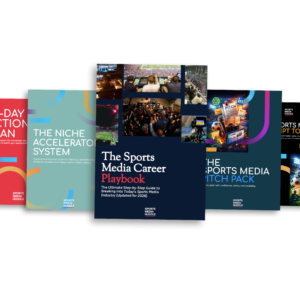
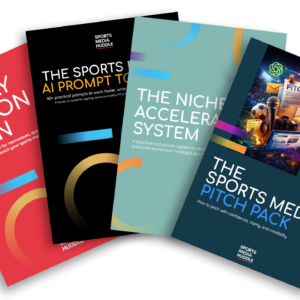
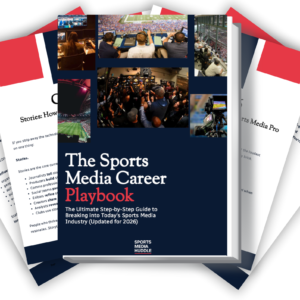
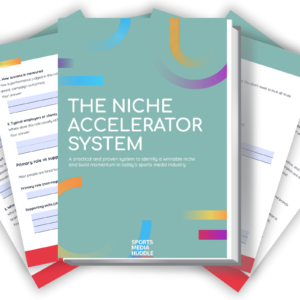
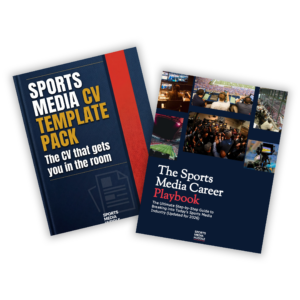
If you’re looking to turn these insights into a clear direction for your own career, The Sports Media Career Playbook breaks down the modern industry, the skills that matter most, and how to position yourself within today’s evolving media landscape.
Whether you’re just starting out or looking to refine your path, it’s designed to help you move forward with purpose and clarity.