Your First 90 Days in Sports Media: What Actually Matters (And What Doesn’t)
A realistic look at how to build momentum, credibility, and professional habits during your first three months in sports media, without rushing the process or chasing the wrong things

Breaking into sports media can feel overwhelming at the start. There’s pressure to be visible quickly, to build a following, to get credentials, to attend events, to publish constantly, all while trying to figure out where you actually fit in an industry that moves fast.
But the truth is this: the first 90 days of your sports media journey are not about chasing visibility. They are about building foundations; the habits, positioning, and professional mindset that will shape everything you do afterwards.
After more than 15 years working across journalism, content, PR, and global sports events, one pattern stands out. The people who progress fastest are not always the loudest or the most visible early on. They are the ones who use their first three months with intention.
This article isn’t a checklist or a rigid rulebook. Think of it as an honest look at what the first 90 days should actually feel like, and where your focus should really sit if you want long-term momentum rather than short-term noise.
Days 1–30: Clarity over chaos
The biggest mistake beginners make is trying to do everything at once. Launch a podcast, start a YouTube channel, post daily on five platforms, chase interviews, pitch stories, all before they’ve decided what role they’re actually aiming for.
The first month should feel quieter than people expect. It’s a period of thinking, refining, and choosing direction.
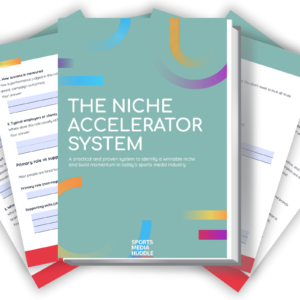
Instead of asking, “How do I go viral?” ask a simpler question: What role am I trying to grow into? A reporter, content creator, podcaster, PR professional, analyst, each path requires a different starting point.
This is where positioning begins. Not a personal brand in the loud, performative sense, but a clear sense of identity. What sports or stories excite you? Where can you realistically contribute? Which platforms suit your strengths?
In my early years, the industry rewarded generalists because the media landscape was more controlled and less fragmented. Today, starting with a focused lane, even if you evolve later, helps you build proof faster and avoid spreading your energy too thin.
Your goal in the first 30 days is not perfection. It’s direction.
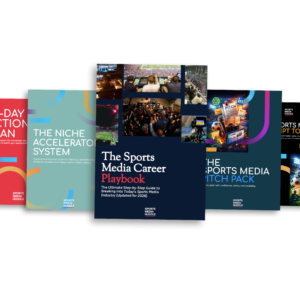
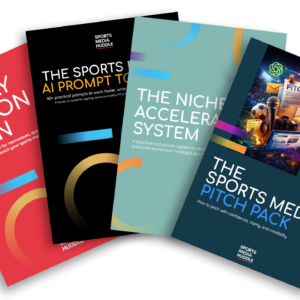
If you want a structured way to approach this phase, download the 30-Day Action Plan, available in both printable and fillable formats.

Days 31–60: Build proof, not just presence
Once you’ve chosen a direction, the second month is about creating work that shows you understand the craft, not just the culture.
Many aspiring professionals spend this phase chasing attention instead of building credibility. They post reactions, opinions, or highlights, but struggle to show editors or employers what they can actually do.
Proof of work can take many forms. A written feature, a short-form analysis video, a podcast segment, a photo essay, a behind-the-scenes social breakdown. What matters is that it reflects professional thinking. That means context, preparation, and clarity.
When I mentor juniors or review portfolios, I’m rarely looking for viral numbers. I’m looking for evidence of structure. Can this person follow a narrative? Can they communicate clearly? Do they understand the rhythm of sport and storytelling? One person capable of producing an interesting, unique story from a junior girls softball league is worth a thousand talking heads regurgitating the same takes on the latest Arsenal result.
During this phase, it’s helpful to treat one topic or event as your own “mini beat.” Follow it closely, produce a small body of work around it, and start building consistency.
This is where confidence begins to grow, not from external validation, but from having something tangible that reflects your voice and ability.

Days 61–90: Turn momentum into opportunity
By the third month, you should start shifting from building privately to engaging professionally.
That doesn’t mean aggressively pitching everyone in the industry. It means communicating with intent. Sharing work thoughtfully. Starting conversations with editors, creators, or media professionals whose work aligns with yours.
This stage is often misunderstood. Outreach isn’t about asking for favours or access, it’s about showing that you’ve done the work first. When you reach out with a clear idea, a small portfolio, and a professional tone, conversations feel different. You’re no longer introducing yourself as someone who wants to work in sports media; you’re presenting yourself as someone already participating in it.
Reliability becomes your greatest asset here. Responding professionally, delivering on small opportunities, and maintaining consistency matters far more than follower count.
In my own career, many early opportunities came not from big pitches but from demonstrating that I could communicate clearly, meet deadlines, and contribute to the wider editorial process. That hasn’t changed, even as platforms and formats evolve.
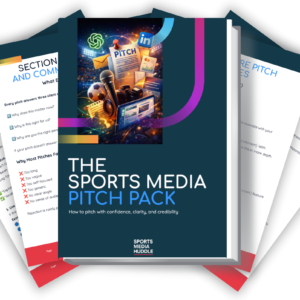
When you’re ready for outreach, the Sports Media Pitch Pack is filled with proven templates and frameworks to help you pitch with professionalism, confidence, and clarity.

The biggest mistake most beginners make
There’s a common belief that success in sports media comes from constant visibility. Posting everywhere. Saying yes to everything. Trying to be present across every platform at once.
In reality, the industry rewards clarity and professionalism far more than volume.
The early months should be about building an ecosystem around your work: a central home for deeper content, platforms that suit your role, and a consistent rhythm that people can recognise. Random bursts of activity rarely create long-term traction.
It’s also important not to compare your journey with others. Some creators appear to move quickly because they entered the industry through unique opportunities or existing networks. Your timeline will look different, and that’s okay.
Progress in sports media is rarely linear. What matters is whether your work is becoming sharper, more intentional, and more aligned with where you want to go.

Why the first 90 Days matter more than you think
Those first three months shape habits that often stay with you for years. They influence how you approach stories, how you communicate with editors and PRs, how you present yourself professionally, and how confidently you navigate opportunities when they arrive.
You don’t need to have everything figured out. No one does. But you do need to build momentum in a way that feels sustainable and aligned with your goals.
Final thought
Sports media is one of the most exciting industries you can choose, but it’s also one of the most competitive. The difference between those who move forward and those who stall often comes down to how intentionally they use the beginning.
Your first 90 days don’t need to be loud. They just need to be focused.
Start with clarity. Build proof. Communicate professionally. And let momentum grow from there.
Ready to take the next step?
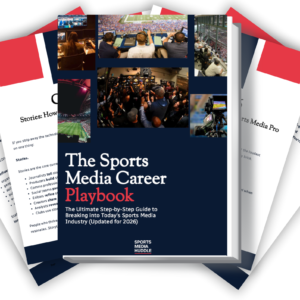
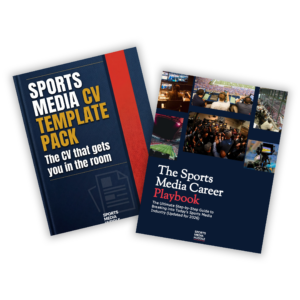
If you’re looking to turn these insights into a clear direction for your own career, The Sports Media Career Playbook breaks down the modern industry, the skills that matter most, and how to position yourself within today’s evolving media landscape.
Whether you’re just starting out or looking to refine your path, it’s designed to help you move forward with purpose and clarity.