Your Sports Media Portfolio: Why it Matters and How to Build One That Helps Your Career
A simple guide to building and using a portfolio to showcase your work, strengthen your brand, and track your growth across the sports media industry.

A portfolio is much more than a simple archive, where you store articles, videos, or past projects. In reality, it is one of the most powerful tools you can have at any stage of a sports media career.
It isn’t just something you send when applying for jobs or pitching editors. A strong portfolio becomes your professional reference point. It tells your story, shows how your skills have evolved, and communicates your standards before you ever introduce yourself.
Over the years, I’ve seen portfolios used in many different ways; by reporters pitching their first features, by content creators building credibility, and by communications professionals presenting campaign ideas to senior stakeholders.
The common thread is always the same: a well-structured portfolio signals professionalism long before a conversation begins.
Why portfolios matter more than ever
The sports media industry has shifted dramatically. Traditional CVs still have a place, but they rarely show the full picture of what someone can do. Editors, producers, and hiring managers increasingly want to see real work, something tangible that reflects your voice, your judgement, and your attention to detail.
A portfolio does more than showcase output. It strengthens your personal brand by presenting your work in a consistent, intentional way. It also becomes a professional archive; a space where you can look back at earlier projects, assess how your skills have developed, and identify areas for improvement.
In my own experience working across editorial and communications roles, the professionals who progress quickly are often the ones who treat their portfolio as a living document rather than a static page. They refine it regularly, update it with stronger examples, and shape it around the direction they want their career to move.

Different roles, different portfolio styles
Not every sports media professional needs the same type of portfolio. The structure and content should reflect the role you are aiming for and the skills you want to highlight.
For journalists and writers, a portfolio typically centres around published articles or newsletter pieces that demonstrate range and editorial awareness. Strong portfolios in this space show variety without losing focus; analysis, interviews, and features that reveal how a writer approaches storytelling.
Content creators and video producers often benefit from visual portfolios that combine long-form projects with shorter clips. The goal here is not just to showcase editing ability but to highlight storytelling, pacing, and audience awareness.
Podcasters may build portfolios around selected episodes or curated playlists that demonstrate different formats; interviews, solo analysis, or collaborative discussions. Clear descriptions help listeners understand the thinking behind each piece.
For professionals working in PR, communications, or media strategy, portfolios can include press releases, campaign outlines, media coverage summaries, or even thoughtful breakdowns of recent sports media trends. These portfolios often focus less on public visibility and more on demonstrating professional judgement and strategic thinking.
The format may change, but the underlying principle remains the same: your portfolio should reflect where you want to go, not just where you have been.

What belongs in a portfolio
A common mistake is assuming that more content automatically makes a stronger portfolio. In reality, a smaller selection of high-quality work usually creates a more professional impression.
Your strongest examples should come first. They should show clarity, consistency, and an understanding of the standards expected within the industry. Context matters too. Adding a short explanation about why a piece was created or what it achieved can help viewers understand the thinking behind your work.
Portfolios should also feel cohesive. A clear introduction, simple navigation, and consistent presentation go a long way toward reinforcing credibility. Whether someone is reviewing your work for a job application or simply discovering it through social media, the experience should feel intentional rather than improvised.
Where to host your portfolio
There are countless platforms that allow you to showcase your work online, and the right choice often depends on your role and level of experience.
Personal websites remain one of the strongest long-term options because they offer full control over branding and presentation. Newsletter platforms, portfolio builders, and visual hosting tools can also play a valuable role depending on the type of content you produce.
What matters most is accessibility. Editors, hiring managers, and partners should be able to view your work quickly without navigating multiple links or complicated layouts. A clean, professional presentation will always make a stronger impression than a complex design.
The most important step is simply to begin. A simple, well-organised portfolio is far more effective than waiting for the perfect setup.

A portfolio that grows with you
Your portfolio is not a one-time project. It evolves alongside your career. Early on, it may focus on building credibility and demonstrating potential. Later, it becomes a reflection of your professional identity and a space that shows how your voice, skills, and direction have developed over time.
Looking back at my own journey, the work that mattered most wasn’t always the biggest or most visible project. Often, it was the pieces that demonstrated growth, the moments where you can see improvement from one stage to the next. A portfolio captures that progression in a way a CV never can.
For aspiring sports media professionals, building a portfolio is about creating something honest, focused, and reflective of your ambitions. Over time, that collection of work becomes one of your strongest career assets, opening doors, shaping conversations, and reinforcing your place within the industry.
Ready to take the next step?
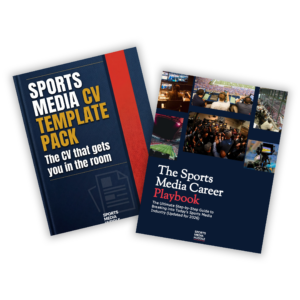
If you’re looking to turn these insights into a clear direction for your own career, The Sports Media Career Playbook breaks down the modern industry, the skills that matter most, and how to position yourself within today’s evolving media landscape.
Whether you’re just starting out or looking to refine your path, it’s designed to help you move forward with purpose and clarity.